
The idea is deceptively simple: stop being a person for a while, and become a doll — perfectly posed, exquisitely dressed, owned and admired.
This guide covers what dollification actually is, why it works psychologically, the main doll archetypes, how to start exploring it, and why it belongs to one of the kink world's more creative and consensual corners.
What is dollification?
Dollification is the practice of one person — the doll — adopting the appearance, stillness, and passive behaviour of a doll, guided by a partner known as the Maker or Owner. It sits within Roleplay & Age Play and draws on elements of objectification, aesthetics, and power exchange. The doll surrenders movement, decision-making, and sometimes speech. The Maker dresses, poses, and tends to their creation.
The experience can be purely aesthetic — a costuming and posture exercise — or it can extend into a full submission dynamic with sensory deprivation, restraint, and explicit scenes. What unites every version is the transformation: stepping out of the ordinary self and into something curated, controlled, and beautiful.
The psychology: why dollification works
Dollification pulls on several psychological levers at once, which is why people are drawn to it even when they struggle to explain it.
- Ego dissolution. Becoming an object — even temporarily, even playfully — lifts the weight of selfhood. Decisions, social performance, and personal responsibility dissolve. Many people describe the doll state as profoundly restful, akin to a meditative blankness.
- Aesthetics and perfectionism. Dolls embody a particular kind of perfection: flawless surface, precise posture, zero imperfection. For people who find beauty rituals grounding, dollification extends that into a full-body, partner-witnessed practice.
- Power exchange. The Maker holds total creative control. The doll holds the power to end the scene at any moment. That negotiated asymmetry — the essence of dominance — is erotic in the same way any D/s dynamic is: it requires deep trust to work.
- Identity play. Trying on a doll persona gives people distance from their everyday self. Some find it gender-affirming, others use it to explore a softness or passivity they suppress outside the bedroom, and others simply enjoy the novelty of becoming something else entirely.
None of these are unusual. The desire to surrender control, be admired, and exist in a curated fantasy is something many people feel — dollification just gives it a very specific, and very fun, aesthetic frame.
Dollification vs. bimbofication
These two kinks look similar from the outside but feel different from the inside.
Dollification centres on stillness, passivity, and transformation into an object. The doll is posed, quiet, admired for its beauty — not necessarily its sexuality.
Bimbofication centres on exaggerated hyper-femininity, heightened sexuality, and a particular kind of performative confidence. The "bimbo" is active, flirtatious, and overtly sexual.
Think of it this way: a ragdoll lies completely still while its Maker arranges its limbs. A bimbo persona struts, flirts, and performs. One is about disappearing into an aesthetic; the other is about amplifying a persona. Both are valid — they're simply different fantasies.
Types of dolls

Part of dollification's appeal is how many distinct aesthetics it supports. Here are the main archetypes:
Marionette
The marionette doll surrenders movement entirely. The Maker "holds the strings," guiding each gesture with explicit instruction or physical direction. It's one of the most control-intensive versions of doll play — useful for people who want a total D/s experience with a playful theatrical edge.
Barbie doll
Glamorous, ultra-feminine, hyper-polished. The Barbie archetype involves elaborate makeup, form-fitting clothing, exaggerated femininity, and the expectation of flawless presentation. It sometimes overlaps with bimbofication, but the core Barbie doll is still, poised, and decorative rather than actively sexual.
Rubber doll
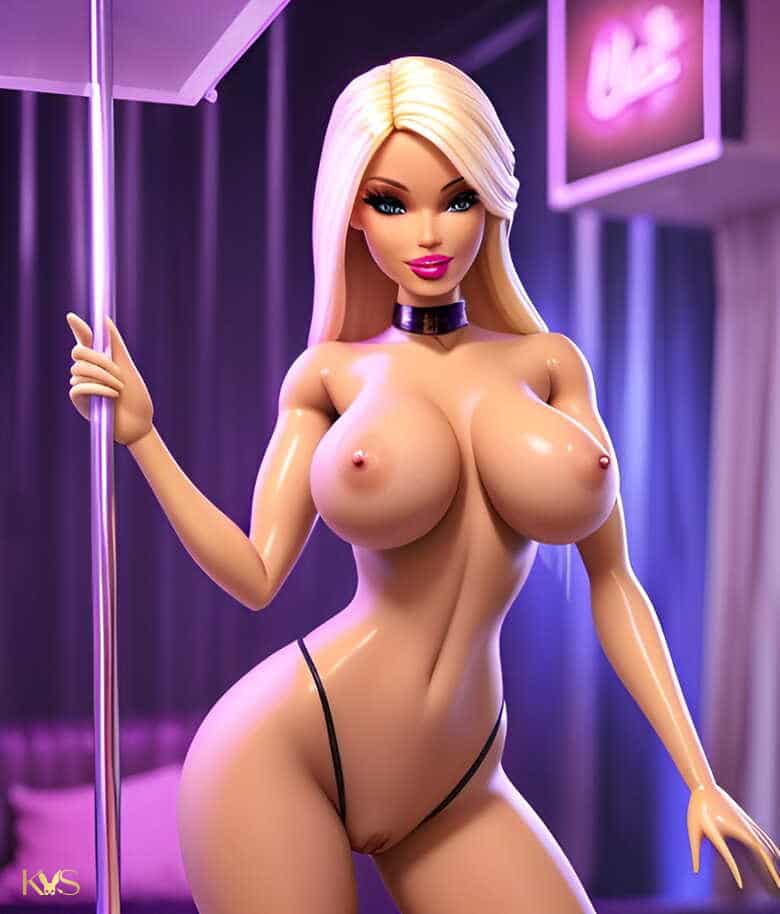
For those with a latex kink, the rubber doll archetype extends the transformation to the skin itself — head-to-toe latex suits that smooth the body's contours into something sleek, anonymous, and otherworldly. The material adds a sensory dimension: the squeeze, the warmth, and the way latex erases individuality all intensify the doll state.
Ragdoll
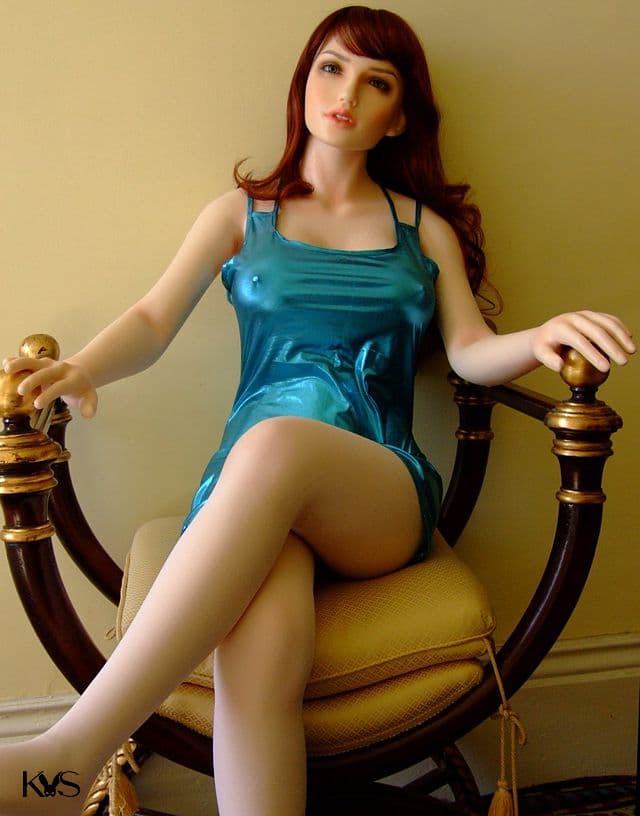
The ragdoll archetype emphasises total physical passivity. The doll goes completely limp — no resistance, no directed movement — allowing the Maker to pose and reposition them at will. Aesthetically, ragdolls often wear exaggerated makeup (kewpie lips, painted freckles), yarn-textured wigs, and soft, patchwork-style clothing that emphasises the handmade, fabric-doll look.
Ball-jointed / poseable doll
Inspired by the articulated ball-joint dolls (BJDs) popular in collector communities, this archetype involves precise, frozen poses held for extended periods. The doll moves only when repositioned — stiff and deliberate in the style of a poseable figure or ballerina. It rewards patience and body awareness, and often has a cool, sculptural quality to scenes.
AI / robot doll

A futuristic take: the doll behaves as a programmed machine — mechanical movements, monotone speech patterns, responses only to explicit commands. Scenes lean into science-fiction and tech fantasy. This archetype is one of the more creative in doll play, letting partners build elaborate "activation" rituals and programmatic personas.
Kitty / puppy doll
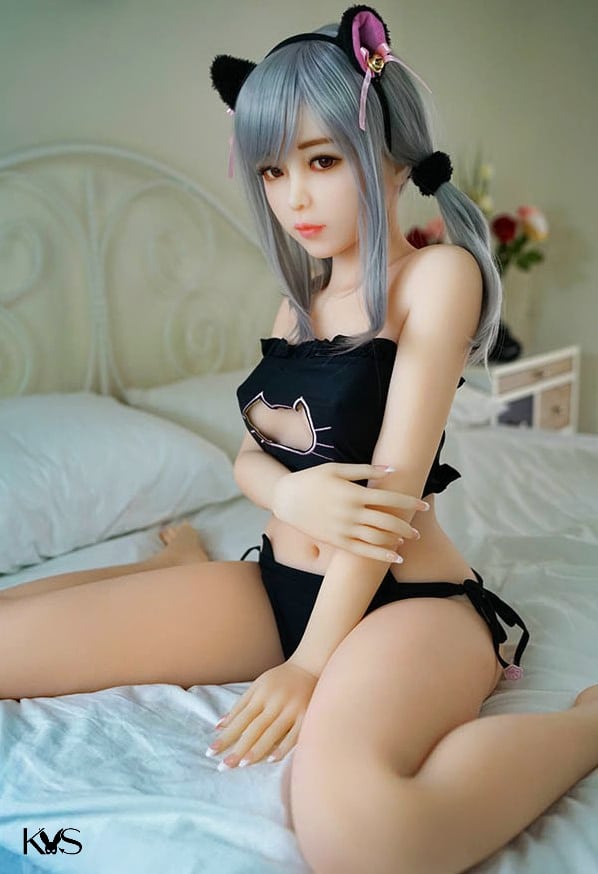
A hybrid of pet play and doll play: animal-inspired costumes (ears, tails, paw gloves) combined with the doll's passivity and aesthetic care. The result is softer and more playful than either kink alone, and it's especially popular in community spaces where cuteness is as important as power exchange.
Signs dollification might appeal to you
- You find elaborate costumes and transformation rituals genuinely compelling, not just as performance but as an experience.
- The idea of switching off — no decisions, no responsibility, just being arranged and admired — sounds deeply restful.
- Aesthetic precision matters to you: getting the look exactly right is part of the pleasure, not just a means to an end.
- You're drawn to power dynamics where care and control are the same gesture.
If several of those resonate, the Kink Quiz can help you map dollification alongside everything else you're drawn to.
How to start exploring dollification
- Discuss it before you dress up. Like any power-exchange dynamic, dollification works best when both partners have talked through what it means: who takes on which role, what the aesthetic is, what the boundaries are, and what a safeword or signal looks like. A "doll" who can't speak needs a clear non-verbal stop signal — a dropped object, a specific hand gesture.
- Start with the costume. The transformation often begins with what you wear. Pick an archetype that appeals — a latex suit, a Barbie outfit, a ragdoll look — and let the dressing-up itself be part of the scene. Many people find the transition into "doll mode" happens naturally once the costume is on.
- Add posture and movement. Practice the stillness. Ragdolls go completely limp; marionettes move only when guided; ball-jointed dolls hold precise poses. The physical discipline is part of what makes the headspace distinctive — it requires presence and surrender simultaneously.
- Layer in sensation if you want. Dollification pairs naturally with sensory play — blindfolds that remove the doll's perception, light restraint that enforces stillness, or the texture of latex itself. None of this is required; the transformation can be entirely about aesthetics and dynamic.
- Build a scene. Think of it like theatre: there can be an "activation" ritual, a period of display or use, and a deliberate "deactivation" that signals the end. The narrative structure helps both partners stay oriented.
- Debrief and do aftercare. Doll headspace can be deeply immersive — some people describe something close to subspace, a floaty, emotionally open state that follows intense D/s play. Come back to yourselves gently. Talk about what worked. Physical comfort — warmth, a drink, closeness — helps. See our guide to aftercare.
Is dollification normal?
Yes. Dollification is a niche kink, but it's built from entirely ordinary psychological material: the desire to surrender control, to be aesthetically transformed, to be tended to and admired. Those desires are near-universal; dollification gives them a specific and creative form.
The Kinsey Institute has documented the breadth of human sexual interest for decades — and the consistent finding is that the range of what arouses people is far wider than most people assume. Objectification fantasies, transformation play, and power exchange all appear throughout that range. Dollification sits well within it.
What makes any kink healthy is the same set of conditions: it's consensual, communicated, and enjoyable for everyone involved. Dollification, done that way, is play — imaginative, intimate, and entirely yours.
Dollification is one of the most theatrical kinks I've encountered in my research. What strikes me most is how much care it requires — from the Maker, in particular. The doll trusts someone completely with their body and appearance. That's not objectification in the harmful sense. It's a very specific kind of devotion.
— Samuel Davis
A note on consent and safety
Any kink involving extended stillness, restraint, or sensory restriction carries some physical considerations worth naming clearly:
- Establish a non-verbal safeword if the doll's role involves silence or restricted speech. A dropped item or a hand signal works well.
- Check in on circulation if poses are held for long periods, particularly with restraint. Ball-jointed and marionette play that holds limbs in position can cause discomfort or numbness faster than it seems.
- Latex and full-body suits trap heat. Keep scenes shorter than you think you need to at first, stay hydrated, and watch for overheating.
- Emotional landing. The ego-dissolution of doll headspace is real. Some people emerge from scenes feeling raw or unusually emotional. Aftercare is not optional here — it's part of the practice.
Curious how dollification fits alongside your other interests? Take the 2-minute Kink Quiz →