
Dominance is not about being louder, harder, or meaner. It is about being the person who holds the agreed lead — the one whose word carries weight because your partner handed that weight to you freely. Done well, it is one of the most intimate things two people can do together.
This guide covers what it actually means to be dominant, why the dynamic works, the most common Dom styles, and how to begin safely — whether you are curious and new or looking to sharpen what you already know.
What does it mean to be dominant?
To be dominant in a sexual or relational context is to take consensual authority over a partner who has chosen to submit. You set the pace, give the directions, and shape the scene — not because you seized control, but because your partner offered it and you accepted the responsibility that comes with it.
That last word matters. Dominance is a responsibility. A good Dom holds their partner's trust, reads their responses, and keeps both people safe inside the dynamic. The power feels real because the consent is real.
This kind of exchange falls under BDSM — the broad umbrella of bondage, discipline, dominance, submission, sadism, and masochism. You don't need to do all of those things to identify as a Dom; many people practice simple power exchange with no pain or restraint at all.
Why dominance is so compelling
The appeal runs deep on both sides. People who practise BDSM dynamics consistently report heightened intimacy, relief from everyday pressure, and a strong sense of trust with their partners — benefits documented in Dr. Justin Lehmiller's large-scale research on sexual fantasy — and that hold whether someone is Domming or submitting.
For the dominant, there is the charge of being fully in charge: holding someone's attention, directing the scene, and watching your partner respond to you. For many Doms, it is also the pleasure of care — bringing someone to the edge of their limits and keeping them safe there.
For the submissive, there is the relief of surrendering decisions to someone they trust. The two experiences are designed for each other, which is why submission and dominance are inseparable halves of the same dynamic — if you want to understand what your partner is experiencing on the other side, our guide to how to be submissive covers it directly.
It is also worth naming: dominance fantasies are extremely common and carry no moral weight on their own. Wanting to be in charge in bed says nothing about your politics, your personality outside the bedroom, or how you treat people. Context and consent are everything. If you're still working out whether dominance is really your lane, our BDSM test can help confirm the instinct before you bring it to a partner.

Consent, safewords, and why they make it hotter
Dominance without consent is not kink — it is harm. This is non-negotiable, and it is also the reason that negotiated power exchange feels so electric: both people know exactly what they signed up for, which means both people can be fully present in it.
If you're not sure yet exactly which acts, roles, or intensities you want to bring to the table, running through the kink checklist with your partner ahead of time turns that negotiation into a side-by-side comparison instead of a guessing game.
Before any scene, talk through:
- What you each want to explore — acts, language, physical contact, power levels
- Hard limits — things that are off the table, no discussion
- Soft limits — things that need checking in on
- A safeword — a word or signal that pauses or stops the scene immediately, no questions asked. "Red" to stop, "yellow" to slow down is a common system. Use it; honour it every time.
The BDSM community has long framed this under frameworks like Safe, Sane, and Consensual (SSC) and Risk-Aware Consensual Kink (RACK). The terminology differs, but the principle is the same: informed, enthusiastic consent from everyone involved. The National Coalition for Sexual Freedom's consent resources offer a practical starting point for anyone building their first negotiation framework.
Once that groundwork is laid, dominance becomes something you can both lean into fully — because the container is secure.
Types of dominants
There is no single way to Dom. The style that fits you depends on your personality, your partner's needs, and what you both find exciting.
Daddy Doms and Mommy Doms
Nurturing, protective, and authoritative. These Doms lean into a caregiver role, setting rules and offering comfort alongside correction. Often paired with a DD/lg or MD/lb dynamic, where the submissive partner adopts a younger, more playful persona. The focus is care as much as control.
Masters and Mistresses
More formal and structured. Masters and Mistresses tend to emphasize service, obedience, and protocol. Subs in these dynamics may take titles like "slave" or be held to specific rules of conduct. Trust and consistency are especially important here — the higher the structure, the more your partner depends on you to hold it.
Brat Tamers
If your partner loves to push back, test limits, and playfully defy you — they may be a brat, and you may be their perfect foil. The brat tamer's job is to stay calm, firm, and amused while their submissive acts out, turning the defiance into the dynamic itself. It requires both a sense of humour and clear communication about what "punishments" actually mean to both of you.
Femdoms
Female dominants run the full spectrum of styles — nurturing, strict, playful, or commanding. Femdom is its own rich culture within BDSM, and for a deeper look at how women step into that role, our guide to how to be a dominatrix covers the full picture. The power in it comes from the same place as any other dominance: explicit consent and the genuine desire of the submissive to be led.

How to start being dominant
Have the conversation first
This is the first act of dominance: taking charge of the negotiation. Bring it up outside of sex, in a calm and curious tone. "I've been thinking about taking more of a leading role — what would that look like for you?" opens more doors than any command.
Start small and specific
You do not need to arrive as a fully formed Dom. Begin with one thing: a firm instruction during sex, positioning your partner where you want them, or using a tone that signals you are in charge. Watch how they respond. Build from what lands.
Use praise and presence
Dominance is not only correction and command. Telling your partner they are doing exactly what you wanted — "good girl," "that's perfect," "stay just like that" — is a powerful tool, and it keeps the emotional register warm even inside a strict dynamic.
Explore restraint and sensation at your own pace
Many Doms eventually want to add physical layers: light rope bondage, impact play, or sensory elements. None of these are required, and all of them benefit from research before you try them. Take your time; the dynamic works at every intensity level.
Negotiate scenes and debrief after
Before a planned scene, run through your limits and safeword again even if you have done it before. After, spend time coming down together — aftercare is not optional. It is part of the deal you made when you accepted the lead.
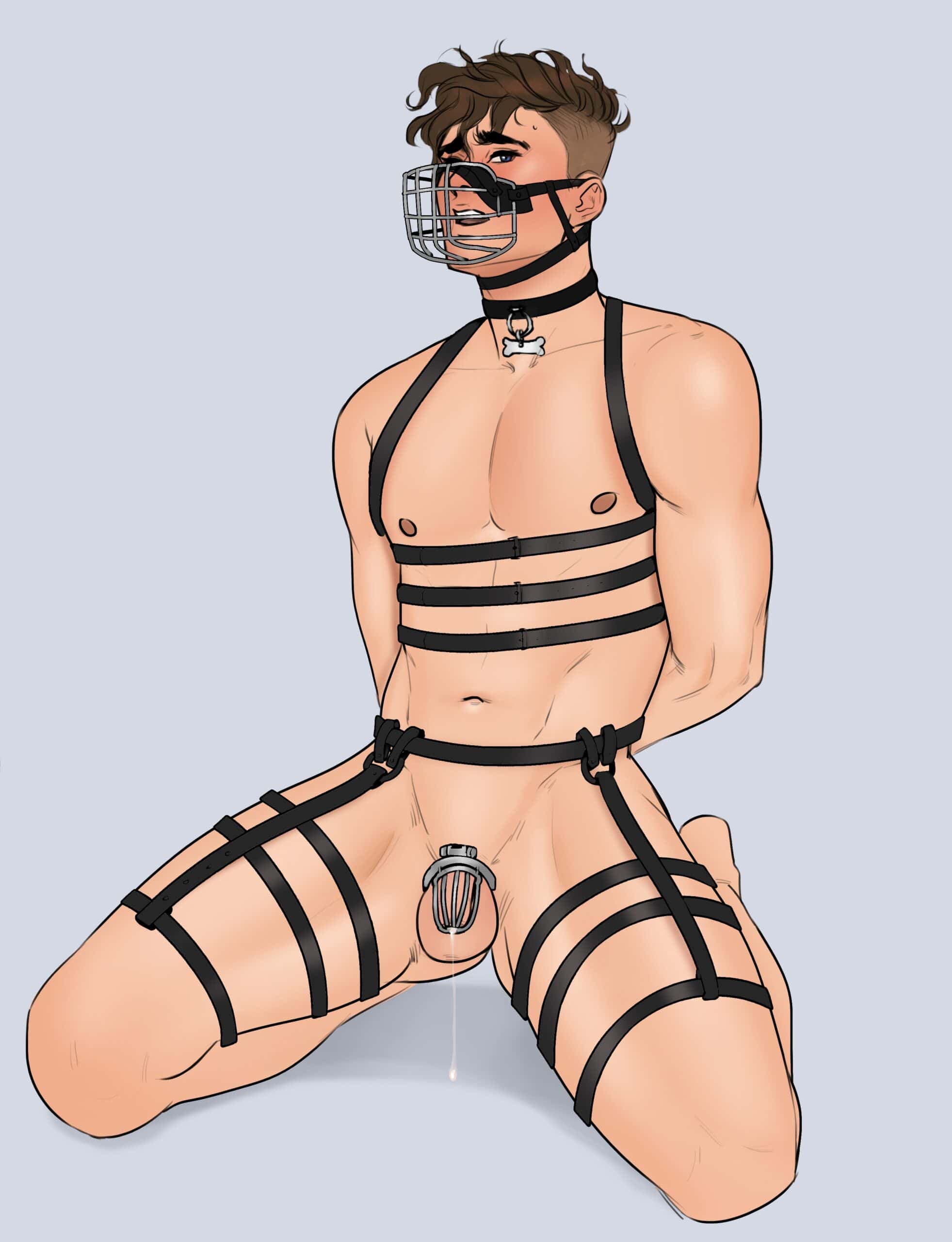
Dominance in an ongoing relationship
Some couples confine dominance to specific scenes. Others build it into daily life through ongoing power exchange — agreed rituals, protocols, or authority structures that persist between sexual encounters. Total Power Exchange (TPE), Domestic Discipline, and Head of Household dynamics all sit here.
These structures require sustained communication and a high level of mutual trust. They work when both partners actively choose them, re-consent to them, and feel genuinely fulfilled inside them. If the structure starts to feel like pressure rather than pleasure for either person, that is the signal to renegotiate.
There is no hierarchy of authenticity between a couple who scenes occasionally and a couple in a 24/7 dynamic. Both are valid; both require the same foundation.
A note on dominant energy outside the bedroom
People sometimes ask whether a Dom is always dominant, or whether the bedroom self bleeds into everyday life. The answer is whatever you and your partner agree to. Some Doms carry an easy authority that their partners find appealing in any context; others are entirely different people at work and at home. Neither is more "real" than the other. BDSM is not a personality disorder — it is a practice, and you get to decide its scope.
What does carry over, if you let it: the communication skills. Doms who get good at naming what they want, holding space for their partner, and checking in regularly tend to find those habits improve every part of their relationships.
Dominance is the art of holding someone's trust as carefully as you hold their body — not as a power trip, but as an act of profound attention.
— Samuel Davis
Related: A dominant's toolkit can stretch to punishment dynamics and intense sensation like CBT.
Curious where dominance fits in everything else you are drawn to? Take the 2-minute Kink Quiz to find out