
The floor disappears. The ropes take the weight. The only thing left is the breath, the trust, and whoever is holding the other end — that is suspension bondage, and for many practitioners it is the most intense and intimate thing they have ever done.
This guide covers what suspension bondage actually is, the psychology behind it, the two main types, a step-by-step guide to getting started safely, and how to navigate consent and aftercare.
What is suspension bondage?
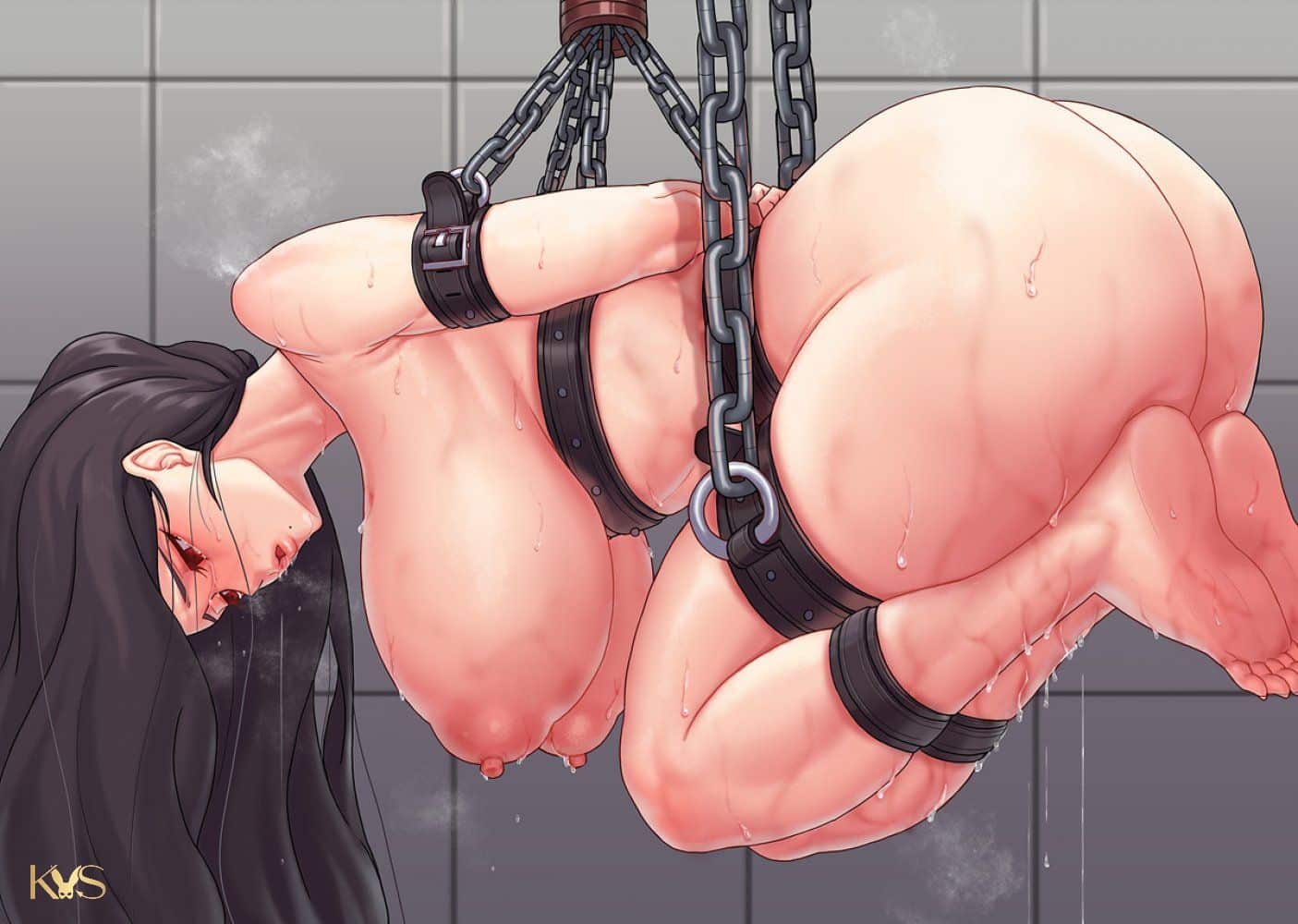
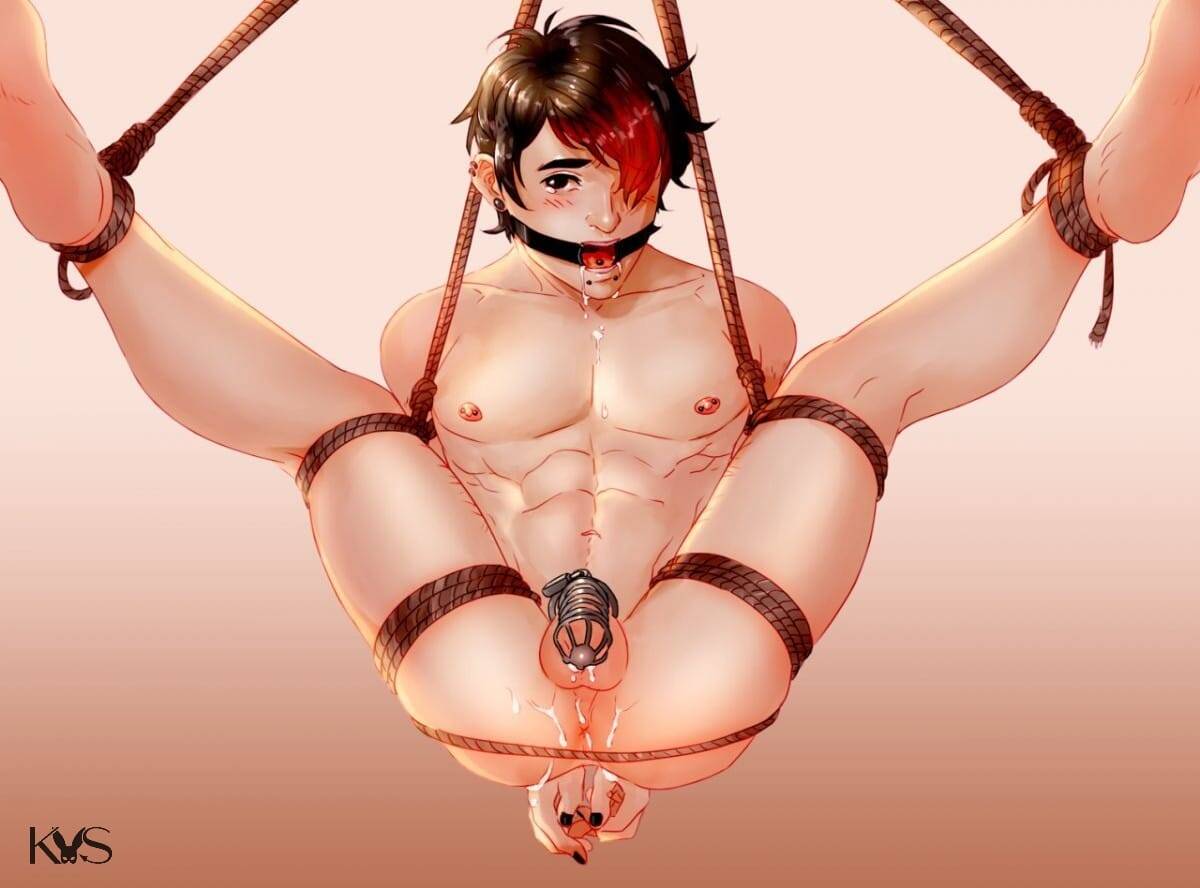
Suspension bondage is a practice within BDSM in which one person — the bottom — is bound with rope and lifted partly or fully off the ground by an overhead anchor. The person doing the tying is called the rigger. The word "suspension" is the key distinction from floor-based rope bondage: at least some of the body's weight is transferred to the ropes themselves, which changes every sensation and every safety consideration.
The tradition has roots in Japanese Shibari and its predecessor Kinbaku — forms of rope-work that evolved from medieval restraint techniques and were later refined into an art form emphasising the aesthetic and emotional connection between rigger and rope-bottom. Modern suspension bondage draws heavily on those traditions while incorporating Western safety knowledge and hardware standards.
Why people are drawn to it
Suspension sits at the intersection of several powerful drives:
Weightlessness. Being lifted removes ordinary ground-contact sensation and replaces it with something fundamentally unfamiliar — a floating state many bottoms describe as closer to flying than to any floor-based bondage. The body has no habitual posture to fall back on.
Absolute surrender. You cannot put yourself down. You cannot shift your weight onto a foot. That total removal of self-rescue is the most extreme expression of the submission dynamic, and for many people it is precisely the point. If this kind of total surrender sounds appealing rather than frightening, our BDSM test can help confirm it's genuinely your thing before you go anywhere near a suspension rig.
Trust made physical. Every gram of the bottom's body weight rests on the rigger's skill and attention. That dependency, consented to and maintained in real time, creates a form of closeness that practitioners consistently describe as unlike anything else.
Heightened sensation. Rope pressure across the body, an altered blood flow, and the complete novelty of the position mean that touch lands differently. Many bottoms report that sensation is amplified in ways difficult to achieve through other means.
The historical connection to Shibari also matters to many practitioners. The word Shibari is itself an aesthetic tradition — the arrangement of ropes has visual, tactile, and relational meaning beyond any erotic function.
Two types of suspension

Partial suspension
In a partial suspension, part of the body is lifted while at least one limb or the feet remain in contact with the ground. A chest harness attached to an overhead point that pulls the torso upright while the feet stay flat is a classic partial suspension. It gives the bottom a taste of the sensation and weight transfer without the full risk profile of going airborne.
Partial suspension is the standard entry point and, for many people, a satisfying destination in itself.
Full suspension
In a full suspension, the bottom's entire weight is borne by the ropes with nothing touching the ground. The most common positions are face-up (considered more beginner-friendly because the weight is distributed across a wider surface area) and face-down (more advanced, requires careful anchor placement). Inverted suspension — upside-down — is an expert technique with significant risk and should not be attempted without years of training.
Full suspension amplifies every sensation and every risk. The forces involved are real, the margin for error is narrow, and a drop or circulation failure can cause serious injury. Most experienced riggers will say: spend at least a year in partial suspension and ground-based rope work before attempting a full off-ground lift.
Getting started: a step-by-step approach
1. Build the foundation first
Before any rope goes overhead, learn ground-based bondage and partial suspension thoroughly. Understand nerve pathways, pressure points, and how circulation presents visually (colour change, skin temperature, capillary refill). Study Shibari through a structured course that moves logically from ground work to partial suspension before any full suspension is attempted. In-person workshops with an experienced rigger are strongly recommended; rope work is a physical skill and video alone is not sufficient for suspension.
2. Train with a mentor or class
Suspension bondage is not a solo study subject. Find an established rigger in your local kink community — through NCSF-affiliated events, rope jams, or Shibari workshops — who will let you observe, assist, and be corrected in real time. Many serious injuries in suspension happen to people who learned only from the internet.
3. Choose the right equipment
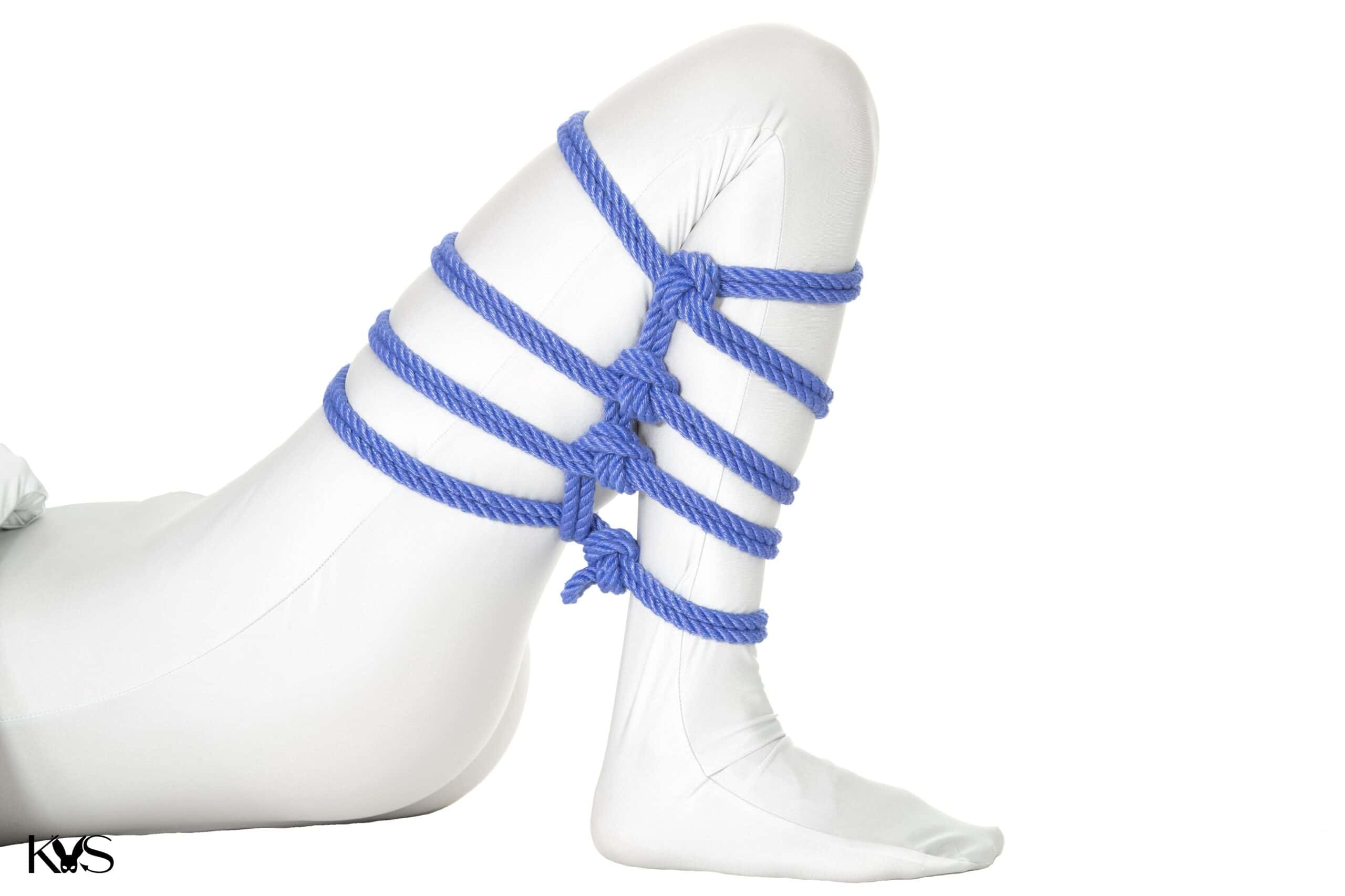
Rope: Natural fibre ropes — jute or hemp — are the traditional and widely preferred choice. Both have the right combination of friction, softness, and visual aesthetic. Common specifications are 6 mm diameter in 7–8 metre lengths, with a bundle of five to eight lengths covering most suspension needs. Synthetic rope is slicker and harder to control; avoid it for suspension.
Anchor hardware: Your overhead point must be capable of supporting at least five times the body weight of the bottom, under dynamic load. Static load ratings are not sufficient — suspension involves movement, and shock load can be multiples of static weight. Use climbing-rated carabiners and steel rings; consumer-grade or decorative hardware is not appropriate. Test your anchor before every session.
Safety scissors: Keep a pair of dedicated EMT or bandage scissors within reach at all times. Practise cutting through rope quickly and cleanly. If something goes wrong, you need to be able to free your partner in seconds, not minutes.
4. The negotiation conversation
Before any session, have an explicit, sober conversation that covers:
- What positions you will and will not attempt — agree in advance, not mid-scene
- Safeword system — a verbal safeword and a non-verbal signal (tapping, dropping an object) for when speech is difficult
- Physical limitations — old injuries, circulation issues, nerve sensitivity, shoulder or wrist history
- Aftercare plan — what the bottom needs when the ropes come off
This conversation is not a formality. In suspension, conditions change faster than in most scenes, and a clear pre-negotiation means the rigger is not trying to read ambiguous signals while managing rope tension.
5. The session
Before lifting: Check every tie for nerve pinch points — the radial nerve at the upper arm and the peroneal nerve at the outer knee are the most vulnerable. Ask the bottom to flex their hands and feet; report any tingling immediately.
During: Monitor continuously. Watch skin colour, listen for breathing changes, and check in verbally or with your agreed non-verbal signal. Redness and warmth from rope pressure is normal; numbness, tingling, or blue-grey colour change is not. If you see the latter, bring the bottom down and assess.
Time limits: Keep your first partial suspensions short — five to ten minutes. Even experienced bottoms develop circulation issues faster in suspension than in ground work. Build time gradually.
6. Aftercare
When the ropes come off, the body and mind do not immediately reset. Many bottoms experience a drop in adrenaline and endorphins — sometimes euphoric, sometimes tearful, sometimes disoriented. The rigger's job is not done until the bottom is stable.
Gently massage rope-compressed areas to restore circulation. Warm blankets, water, and physical closeness help. Check in for bruising or unusual sensation that was not present during the scene. Have a follow-up conversation the next day — suspension aftereffects can surface hours later.
For more on this part of the practice, see the guide to aftercare.
Consent in suspension bondage
Consent in suspension is ongoing, not a single pre-scene agreement. Because the bottom is physically incapacitated, the rigger takes on continuous responsibility for monitoring and decision-making throughout the scene. This is a significant asymmetry, and it is one reason the trust involved is so central to the practice.
Agree on safewords before you begin and honour them immediately. If the bottom safewords and you are in the middle of a complex tie, your only job is getting them safely to the ground — scene continuation is not a consideration.
Informed, enthusiastic consent also means the bottom understands the real risks involved — nerve injury, circulation impairment, and fall risk are not hypothetical. Share this knowledge, not to frighten, but because a partner who understands what they are agreeing to can give better consent and better feedback during the scene.
Is suspension bondage normal?
Suspension bondage is an advanced niche within an already specialised practice — it is not common, and it is not something most kink-curious people need to try. But for those drawn to it, there is nothing pathological about the attraction. The combination of trust, sensation, power exchange, and aesthetic craft represents a genuine creative and relational practice with a global community of serious practitioners.
What matters, as with every edge-play practice, is that it is negotiated, that both people understand the real risks, and that the rigger has the skill to manage those risks responsibly. The National Coalition for Sexual Freedom supports practitioners navigating legal and safety concerns in consensual kink.
Suspension bondage is not about danger — it is about the complete transfer of trust, made visible and physical. When it works, there is nothing else quite like it.
— Olivia Moore
A note on edge play and risk
Suspension bondage is classified as edge play because the consequences of error are serious and potentially permanent. Nerve damage from incorrect rope placement can take months to resolve, and in some cases leaves lasting effects. Falls cause acute injury. This does not mean it should be avoided — it means it should be approached with proportionate seriousness.
Learn thoroughly. Train with experienced people. Start slower and simpler than you think you need to. The community of riggers and rope bottoms who practise safely and beautifully is large and welcoming — find them before you find out the hard way what a shortcut costs.
Related: Suspension leans on a skilled rigger, a well-fitted harness, and often a purpose-built dungeon.
Curious how suspension fits among your other interests? Take the 2-minute Kink Quiz →