
A BDSM dungeon isn't a medieval torture chamber or a fantasy RPG set piece — it's a dedicated space, private or public, designed entirely around the freedom to explore power exchange, restraint, and sensation play without apology.
This guide covers what a dungeon kink actually is, what draws people to these spaces, what you'll find inside them, and how to explore them safely — whether you're visiting a public dungeon for the first time or thinking about setting up your own.
What is a dungeon kink?
A dungeon kink is sexual arousal centred on BDSM dungeons — spaces purpose-built for BDSM activities. These spaces may be dedicated rooms in a private home, purpose-converted basements, or public venues like fetish studios, kink clubs, or event warehouses. The core appeal isn't the décor: it's the permission structure. A dungeon signals, by its very existence, that what happens inside is consensual, intentional, and equipped.
The kink lives squarely in the wider world of BDSM, overlapping with bondage, impact play, dominance, and submission. For many people, having the right environment is itself the turn-on — it transforms fantasy into something architectural.
The psychology: why space matters
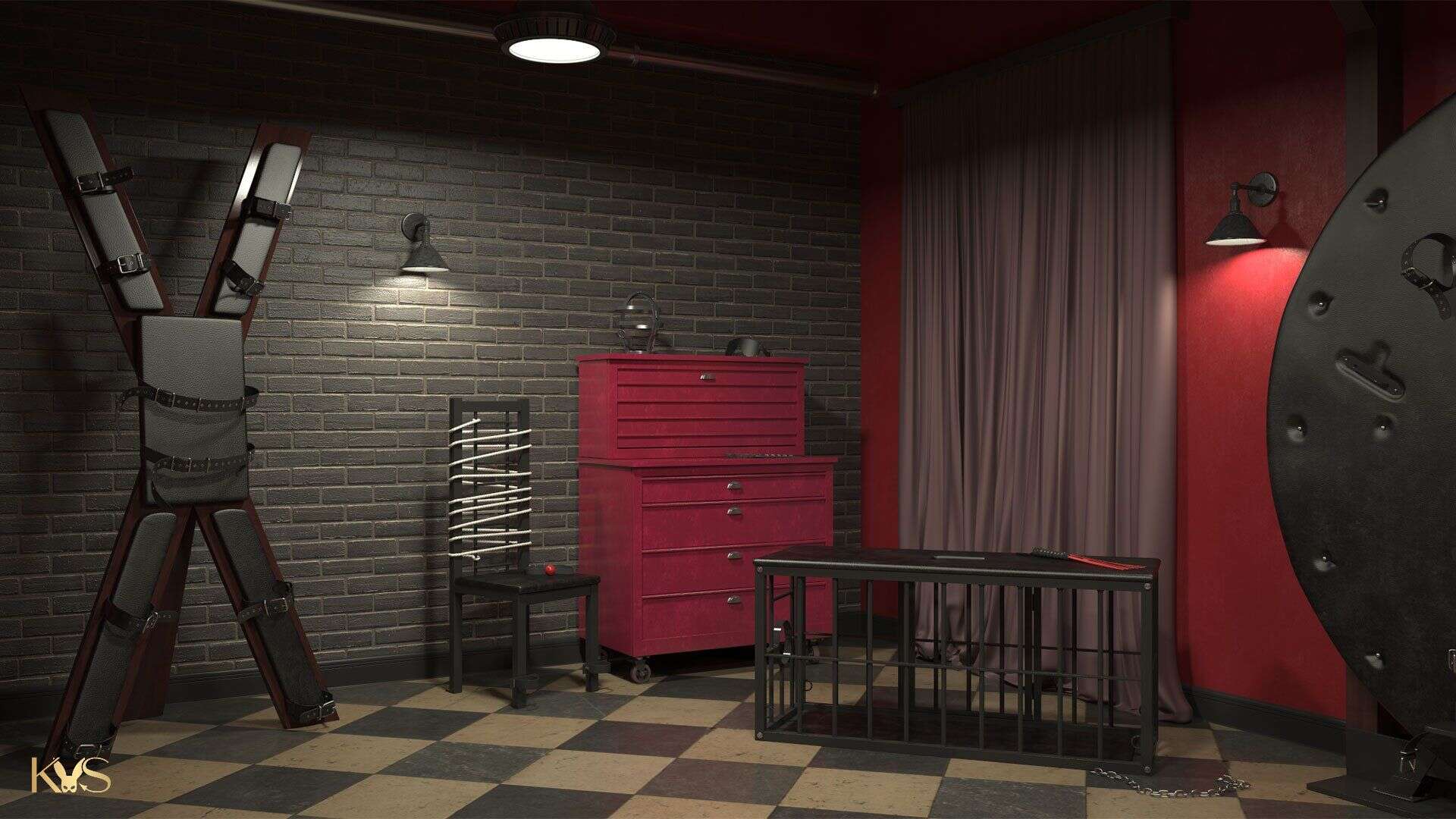
Most kink can technically happen in any room. So why does a purpose-built dungeon feel different? A few reasons:
- Environmental permission. A dungeon removes the cognitive dissonance of doing intense things in a domestic space. The bed you sleep in is for sleeping; the cross you're strapped to is for exactly this. That clarity lowers mental barriers on both sides of the scene.
- Ritual and theatre. Walking into a dedicated space, with its equipment laid out and its atmosphere deliberate, is itself a form of scene-setting. The environment cues the brain that a different set of rules applies — something closer to costume than to décor.
- Equipment access. Complex activities like suspension bondage, impact play with multiple tools, or sensory deprivation require gear that simply doesn't live in most bedrooms. A dungeon makes those possibilities immediately available.
- Community (in public spaces). Public dungeons offer something a private room can't: the sense of belonging to a wider community of people who share your interests, along with the thrill of performing or witnessing in a space where everyone has opted in.
What you'll find inside a BDSM dungeon
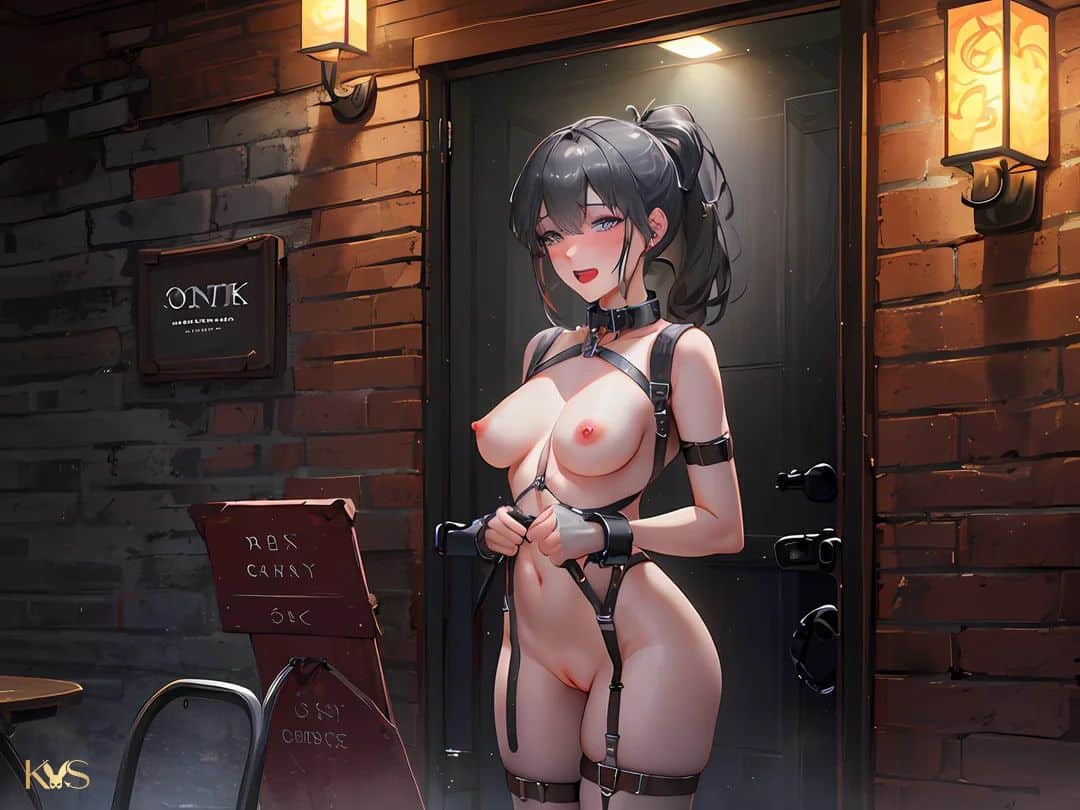
No two dungeons are identical, but most share a core vocabulary of equipment:
- St. Andrew's Cross — an X-shaped frame ideal for spread-eagle bondage with full front or back access for play. One of the most iconic pieces of dungeon furniture.
- Spanking benches — padded frames that position the body optimally for impact play: paddles, floggers, canes, and whips.
- Suspension rigs — ceiling-mounted points or frames for rope suspension, requiring skilled riggers and careful safety protocol.
- Cages and shackles — for restraint and confinement play, ranging from compact steel collars to full standing cages.
- Impact tools — floggers, paddles, canes, crops, and single-tails, often hung on the wall as both display and ready access.
- Themed areas — many larger dungeons include specialist zones: medical rooms for clinical roleplay, classroom setups, or sensory-deprivation chambers.

Private dungeons often add softer infrastructure too: padded walls or floors, adjustable lighting, hooks for temporary rigging, and custom-built furniture tailored to the owners' specific interests.
Public vs. private dungeons
Public dungeons (also called play spaces or fetish clubs) are community venues open to paying members or event attendees. They offer equipment you'd never afford at home, a built-in community, and experienced dungeon monitors — staff or volunteers who enforce safety and etiquette rules. Many prohibit penetrative sex for legal reasons, and most enforce dress codes and alcohol restrictions.
Private dungeons are home setups: spare rooms, basements, or dedicated extensions converted by their owners. They offer total privacy and full creative control, with rules set entirely by the people inside. The owner typically serves as de facto dungeon master — responsible for monitoring safety, managing access, and setting the tone.
Both are legitimate. The choice depends on whether you value community and equipment diversity (public) or intimacy and autonomy (private).
Dungeon etiquette: the do's and don'ts
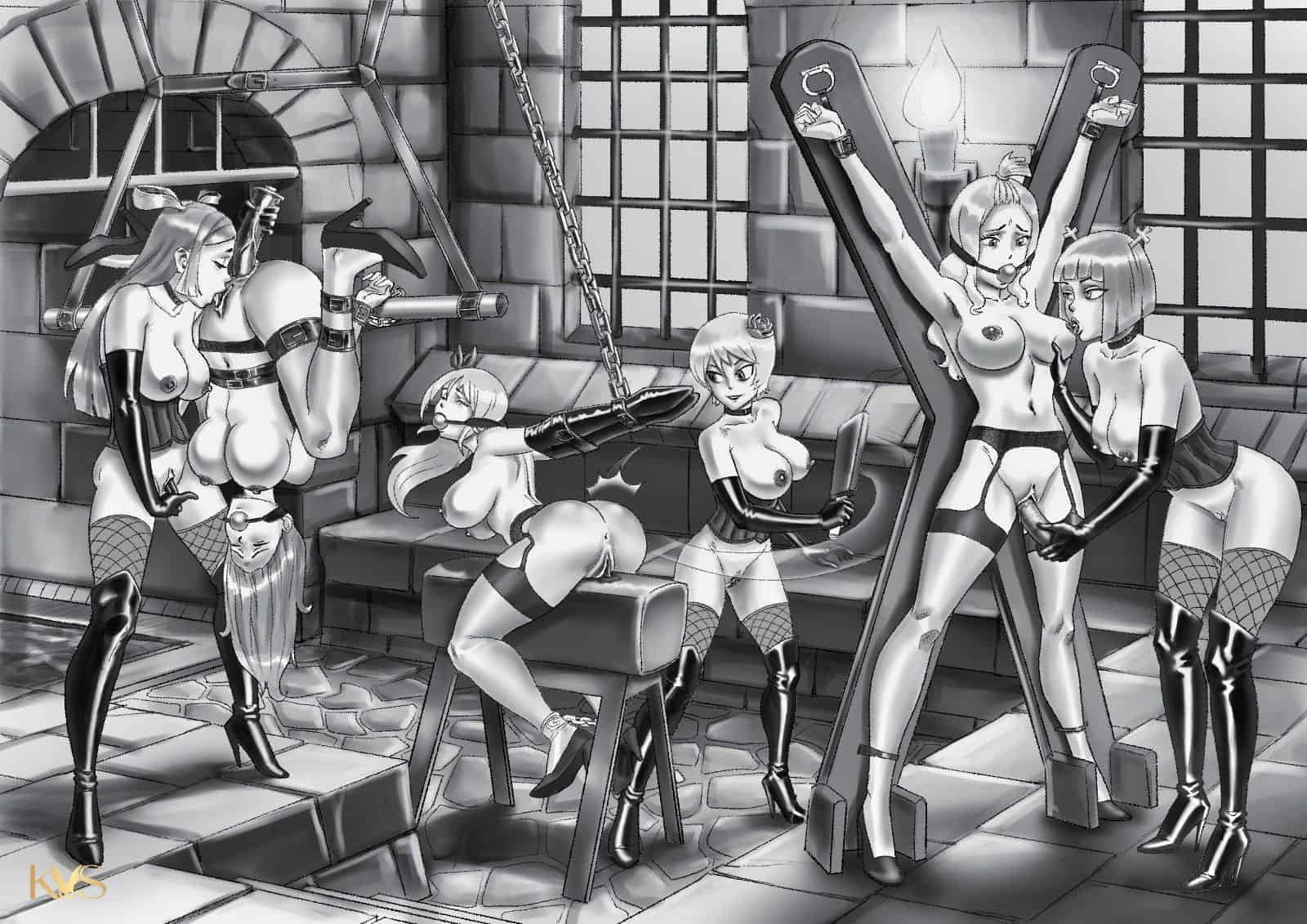
Public dungeons in particular have a social code. Getting it wrong can get you removed — which is considerably less fun than getting spanked. The essentials:
Do:
- Ask explicit consent before touching any person or their equipment. This isn't optional — it's the baseline.
- Read and follow the venue's posted rules before you play. Different spaces have different limits.
- Negotiate your scene in advance. Both parties should know the planned activities, limits, and safeword before anything begins.
- Respect scenes in progress — observe from a respectful distance and wait until a scene concludes before approaching participants.
Don't:
- Assume you can join a scene or borrow equipment without an invitation. Even an appreciative audience requires the participants' awareness.
- Touch anyone without consent — this includes a light touch on the shoulder to get someone's attention.
- Offer unsolicited advice or feedback mid-scene.
- Ignore your own limits. A dungeon is not a place to white-knuckle through something that doesn't feel right.
For newcomers, the best entry point is often a munch — a casual, social, non-play gathering of the local kink community — where you can ask questions, meet regulars, and learn the norms before stepping into a dungeon for the first time.
How to explore dungeon kink at home
Setting up a home dungeon doesn't require a budget or a warehouse. Start small and build:
- Choose your space. A spare room or basement is ideal — somewhere with a door that closes, where unusual anchor points won't raise questions from houseguests. Privacy matters.
- Start with portable gear. Under-bed restraint systems, door-frame suspension bars, and padded wrist cuffs cost little and disappear into a wardrobe. Add furniture (a spanking bench, a cage) when you know what you actually want.
- Negotiate before you equip. Before buying a single piece of kit, have the full conversation with your partner: what you both want to explore, hard limits on both sides, and a clear safeword (or safeword system, like the traffic-light method). If either of you is still working out where you land as dominant, submissive, or switch, our BDSM test can help ground that conversation before you start shopping for equipment.
- Establish a safety protocol. Keep a first-aid kit accessible. Know how to remove restraints quickly — always have safety scissors for rope. Discuss medical considerations (back issues, circulation problems, anxiety triggers) in advance.
- Build in aftercare. Aftercare — physical comfort, verbal reassurance, and emotional check-in after a scene — is especially important after intense dungeon play. Agree what aftercare looks like for both of you before the scene begins, not after.
- Assign roles for multi-person sessions. If you're hosting others, one person should take the dungeon-master role: not necessarily playing, but watching the room, checking in with participants, and stepping in if anyone looks distressed.
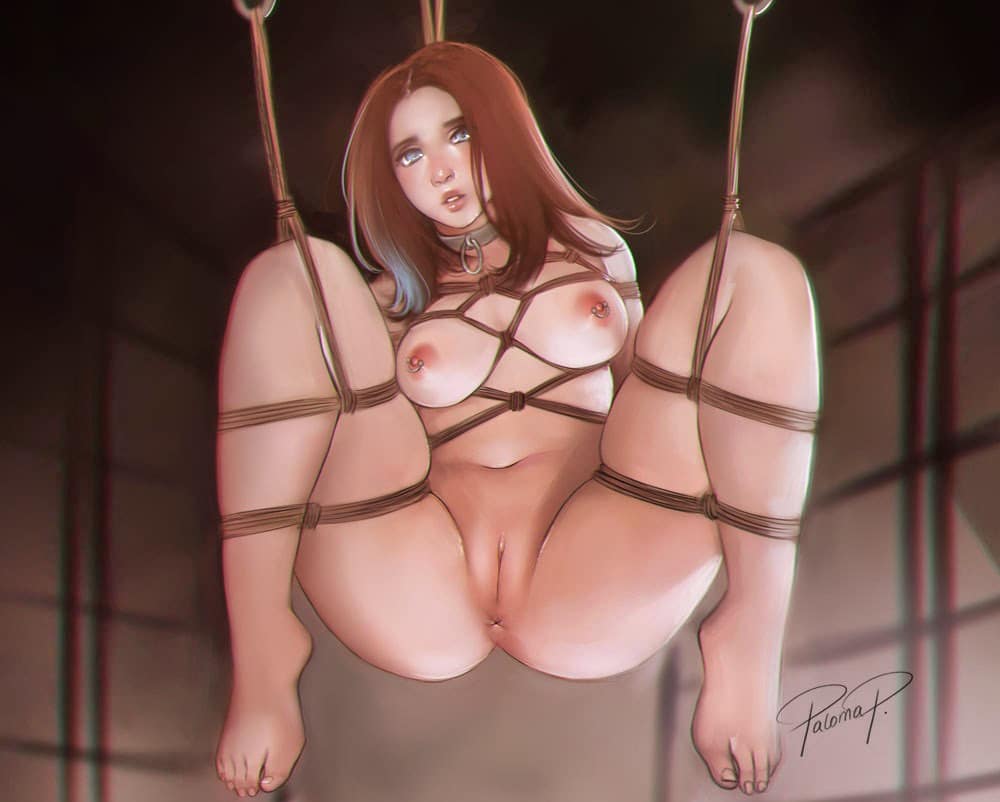
A safety note on suspension: rigging for aerial bondage is one of the few BDSM practices with serious injury risk if done incorrectly — nerve damage and falls are real possibilities. Take hands-on instruction from experienced riggers before attempting suspension, and always have a spotter. The National Coalition for Sexual Freedom (NCSF) maintains resources for finding vetted community educators.
Is a dungeon kink normal?
Yes. The desire for a dedicated, immersive space for BDSM play is a logical extension of interests that are themselves extremely common. Many people find that having the right environment transforms scenes they've done before — it's the same psychology that makes a restaurant dinner feel different from eating at home, scaled up and pointed at your erotic life.
The Kinsey Institute has documented the widespread prevalence of BDSM interests across the general population. Dungeon kink isn't a fringe edge case — it's a practical expression of what a lot of people already want to do.
The only questions worth asking are the same ones that apply to any BDSM practice: Is it consensual? Is it negotiated? Do all parties have a way out at any point? If yes, what you do with your dungeon is your business.
A dungeon doesn't change what you want — it just gives you a room where wanting it openly feels exactly right.
— Samuel Davis
Curious where dungeon play sits in your wider erotic landscape? Take the 2-minute Kink Quiz →