
"Kink" and "fetish" get used as synonyms everywhere — but they describe meaningfully different things, and understanding the gap helps you name what you actually want.
This guide covers what each word means, why fetishes and kinks can overlap, and how to talk about both with a partner — without judgment.
What is a kink?
A kink is any sexual interest, preference, or activity that sits outside mainstream norms. The word is deliberately broad: BDSM, roleplay, power exchange, sensation play, exhibitionism — all of these are kinks. What they share is that they are unconventional, not that they follow any single pattern.
Kinks live in the territory of Practices: they are things people do or enjoy, and they tend to be flexible. Someone with a bondage kink might love being restrained but does not need it every time. The kink adds something — intensity, novelty, connection — without being the only route to satisfaction.
What is a fetish?
A fetish is an intense, specific erotic fixation on a particular object, material, or body part — one that is typically necessary for full arousal. Feet, leather, latex, nylon — when the focus object needs to be present (physically or in imagination) for someone to reach full arousal, that is a fetish.
The distinction matters because a fetish is not just a preference. It is closer to a requirement, and that changes how someone navigates intimacy, communication, and compatibility with partners. Worth noting: having a fetish is different from fetishization — the sociological act of reducing a whole person to a single object of desire, which operates at a different level entirely.
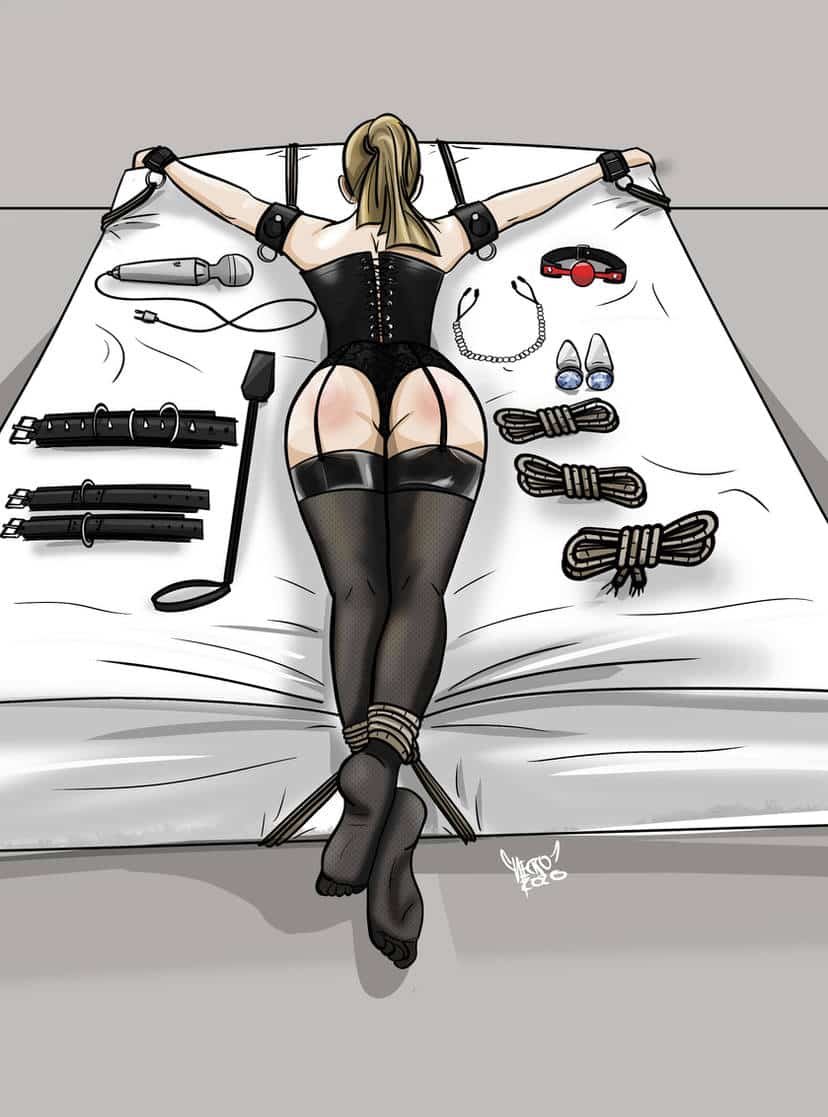
Kink vs fetish: the core differences
Arousal dependency
This is the clearest dividing line. Kinks are optional enhancements — someone into impact play might love a paddling scene but can have a satisfying sex life without one. A fetish is more of a prerequisite: the person with a leather fetish may find arousal genuinely difficult unless leather is somehow in the picture.
That said, the line is not always sharp. Many people discover that what started as a kink deepens over time into something closer to a fetish — the intensity grows, the specificity sharpens. That is not pathological; it is simply how desire develops.
Scope
Kinks are broad. BDSM is a kink that contains multitudes: dominance and submission, impact play, rope bondage, sensation play. A single person with a BDSM kink might enjoy all of these in rotation.
Fetishes are narrow. A foot fetish is about feet — specifically. A latex fetish is about that material. The focus object is the point, not a variable.
Social visibility
Kinks have gained real cultural traction. Fifty Shades of Grey pushed BDSM into mainstream conversation; "kink" now appears in lifestyle articles and dating-app profiles. Fetishes remain less visible — partly because the word still carries a clinical undertone (it originated in psychiatric literature), and partly because the specificity makes them seem stranger from the outside. Neither perception reflects whether something is healthy or normal — and the judgment people face for having unconventional desires is itself a documented harm; see our piece on kink-shaming.

Where kinks and fetishes overlap
Here is the nuance most guides miss: kinks and fetishes are not mutually exclusive. Someone can have a general BDSM kink and a specific leather fetish — they love the power dynamic in a broad sense and need the smell and texture of leather to feel fully present in a scene.
Overlap often appears in how fetish objects become integrated into kink practices. A person with a submission kink who also has a foot fetish might naturally weave foot worship into their submissive dynamic. The kink frames the dynamic; the fetish specifies the content.
This layering is worth understanding because it is how most people's desires actually work. Desire is not sorted into neat boxes. It is specific, contextual, and often both broad and narrow at once.
When a kink becomes a fetish
Desire shifts over time. What begins as a kink — rope bondage that you enjoy occasionally — can develop into something more central over years of exploration. The shift usually happens gradually: you notice the activity appearing in your fantasies more often, you find yourself less interested in sex when it is absent, the focus tightens from a broad category down to a specific element.
This is not a problem. It is not pathological escalation; it is simply desire becoming more specific. What it does mean is that an honest periodic check-in with yourself — and with your partner — about what you need is worth doing. The language of "kink vs fetish" is useful here because it gives you words for that conversation.

Why the distinction matters in practice
For self-understanding
If you know something is a kink, you know it enriches your sex life but does not define it. If you recognize something as a fetish, you know it deserves honesty with partners early — not because it is a flaw, but because compatibility is real.
Knowing the difference also helps you assess what you actually want from a partner. Someone with a kink for power exchange can explore that with almost any willing partner and find satisfaction at different levels of intensity. Someone with a specific fetish is looking for something more particular — and that specificity is information worth having about yourself.
For communication
"I have a kink for roleplay" is a low-stakes opener. "I have a leather fetish and it really matters for my arousal" asks a partner to engage with something more essential. Both conversations are worth having — the language just helps set the right expectations.
A useful approach: share your kinks as invitations ("I'd love to try this with you") and your fetishes as needs ("This matters a lot to me — are you open to exploring it?"). The tone shifts the conversation from novelty to genuine compatibility, which is where it needs to go.
For navigating partners
Someone exploring a new kink can ease in gradually: bring it up, try a light version, see how both people feel. Someone with a fetish may need to establish early on whether a partner is willing to engage with the focus object. Consent and curiosity go both ways.
Before any scene — kinky or fetish-driven — agree on a safeword, discuss hard limits, and make space for honest check-ins. None of this is more complicated for kinky sex than for any other sex; it just requires the same care. If you want guidance on structuring those conversations, the NCSF (National Coalition for Sexual Freedom) has resources written for exactly this kind of negotiation.
How to explore your own kinks and fetishes
- Name what you notice. Do you find yourself consistently drawn to a specific scenario, object, or dynamic? Noticing the pattern is the first step. The Kinsey Institute's resources on sexual diversity offer grounded context if you want to read further.
- Decide what you want to do with it. Not every kink or fetish needs to be acted on. Some people explore in fantasy; others want real scenes. Both are valid.
- Talk to a partner. The conversation matters more than the vocabulary. "I find this really arousing" is a good start — you can add the label later if it helps.
- Look for community. The kink community is large, experienced, and largely judgment-free. Organizations like NCSF (National Coalition for Sexual Freedom) exist specifically to support people navigating non-mainstream desires.
- Go at your own pace. There is no deadline. Exploring a kink or fetish should feel expansive, not pressured.
See also our guide to aftercare — the practice of checking in and reconnecting after any emotionally or physically intense scene, whether it is kink-driven or fetish-driven.
Is having a kink or fetish normal?
Yes — fully. Having unconventional sexual interests is part of the ordinary range of human desire, not a deviation from it. Dr. Justin Lehmiller's large-scale survey of American adults found that the vast majority of people report sexual fantasies that fall outside the conventional script, including many that meet the definition of kinks and fetishes.
A fetish becomes a concern only if it causes significant distress or requires non-consenting parties — and that threshold is about harm, not about the nature of the desire itself. A leather fetish, a foot fetish, a bondage kink — none of these are problems. They are flavors.
The difference between a kink and a fetish is not a moral one. It is a practical one — a question of how central the desire is, not how acceptable it is. Understanding that distinction is the beginning of honest desire.
— Samuel Davis
Curious which kinks and fetishes show up in your own desire map? Take the 2-minute Kink Quiz →